
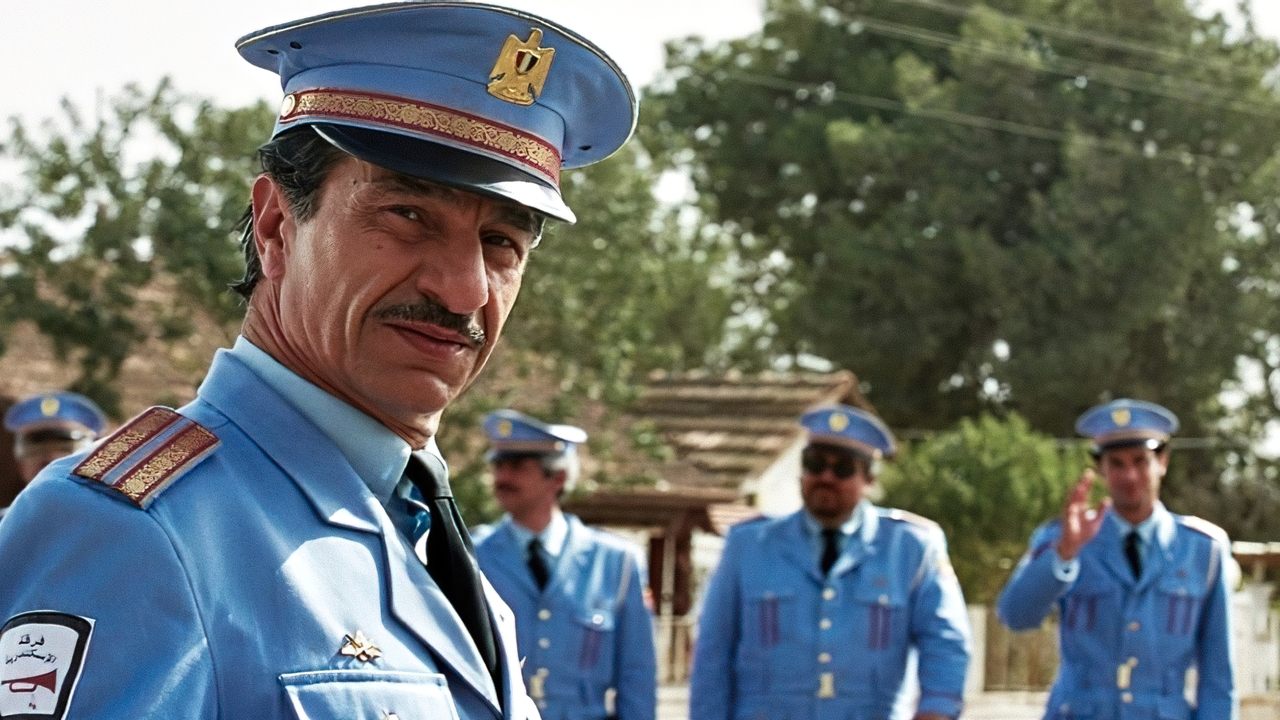
Programme note
The Band's Visit
A small Egyptian police band travels to Israel to play at the inaugural ceremony of an Arab arts center, only to find themselves stuck in the wrong town.
Story and castCiné-Bis-Art
176 films from 1960 to 2026: Soviet comedies, Iranian classics, Israeli stories and new Ukrainian cinema.
Room I · Russian
Soviet comedies, classics and new films
The whole room →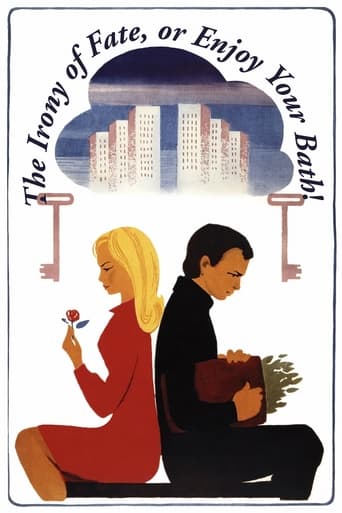


Room II · Persian
Kiarostami, Farhadi, Panahi and Majidi
The whole room →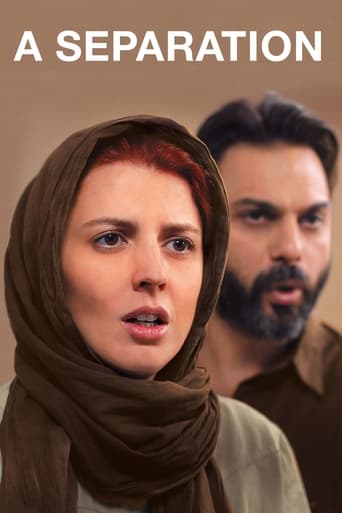

Room III · Hebrew
Comedies and stories from Israel
The whole room →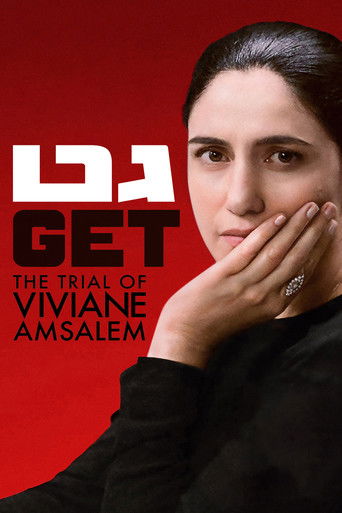

Room IV · Ukrainian
From the Carpathians to Kyiv
The whole room →

The reading room
From the page and the stage
The whole room →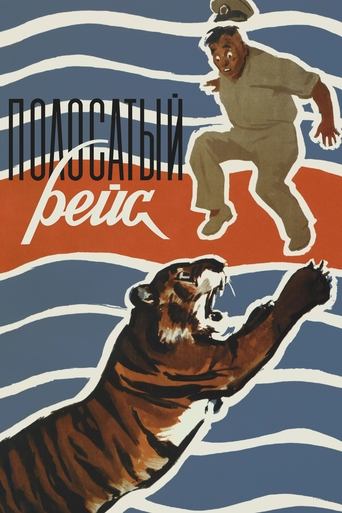
The matinee
Fantasy and adventure for the young
The whole room →



Index of lists
- In Russian95
- In Persian35
- In Hebrew31
- In Ukrainian15
- The Soviet years49
- Comedy84
- Drama79
- Romance45
- Family82
- Growing up70
- From page and stage23
- Music and the arts43
- Fantasy and adventure31
- Sport9
- Country life29
- City life46
- Television films10
- Short films6
- Before 198047
- 1980 to 199927
- 2000 to 201439
- 2015 onwards63
- Top rated52
The Ciné-Bis-Art guide
Ciné-Bis-Art: films in Russian, Persian, Hebrew and Ukrainian, from A Separation, The Irony of Fate and The Band's Visit to Russian Ark, Taxi and Chasing Two Hares
Some of the world's best-loved films are made in languages that few people outside their own countries can read on a poster. A Russian family watches the same comedy every New Year's Eve and has done since 1976. Iranian directors have won the highest prizes at Cannes, Berlin and Venice with stories about a child's notebook, a football match or a week in a courtroom. Israeli cinema began with satirical comedies about new arrivals and has grown into one of the liveliest small industries anywhere, and Ukraine's young film-makers are turning out road comedies as fresh as any in Europe. Ciné-Bis-Art is a guide to 176 of these films, made between 1960 and 2026: ninety-five in Russian, thirty-five in Persian, thirty-one in Hebrew and fifteen in Ukrainian. Each has its own page, its story, its director and cast, and a Watch now button that leads to the official services carrying it in your country.
The catalogue has been chosen for the whole household. Every summary was read by hand, and the selection keeps to comedy, family stories, romance, childhood, literary adaptations, fairy tales and thoughtful drama. Crime films, horror, films of the battlefield and adult dramas were left out. What remains includes a man who wakes up in the wrong city in a flat exactly like his own, a police band from Alexandria stranded for a night in a desert town, a group of girls determined to watch a football match, a couple before a judge in Tehran, a Kyiv barber with expensive tastes, and a camera that glides through three centuries of a palace in a single unbroken shot.
The guide is arranged like the programme of a film society with four rooms, one for each language, followed by themes that run through all of them: comedy, family, childhood, books and plays, fantasy and the arts. Three films are suggested for a first evening, and the closing sections cover subtitles, search, the lists and My List. Every film title is a link, and the text is in English for viewers anywhere.
What Ciné-Bis-Art offers
Ciné-Bis-Art is a viewing guide. It keeps neither films nor downloads on its pages; it tells you what each film is about, who made it and who appears in it, and then hands you to the legal services that carry it. The how to watch page sets out the three steps: find a film, read its page, choose your country and press Watch now. The button opens JustWatch, an independent directory of streaming, rental and purchase services, on the entry for that film, so the answer is always current for the place where you live.
Of the 176 films, eighty-four are comedies and seventy-nine are dramas. Forty-seven were made before 1980, twenty-seven in the eighties and nineties, thirty-nine between 2000 and 2014, and sixty-three since 2015. Forty-nine belong to the Soviet period, ten were made for television, and six are short films of an hour or less. Twenty-three lists arrange the catalogue by language, kind, theme and period, and the top rated list gathers the fifty-two titles that viewers have scored most highly.
The home page is laid out like a printed programme. A featured film is shown with a still and a short programme note. Below it, Room I holds ten films in Russian, and Rooms II, III and IV five each in Persian, Hebrew and Ukrainian; two further rows, the reading room and the matinee, gather literary adaptations and adventures for the young. Each poster is captioned with its title, its director and its year, and an index at the foot lists every collection with its number of films.
A first evening
Three films make good introductions. The Band's Visit, made in Israel in 2007, is eighty-three minutes long and close to perfect. Eight members of the Alexandria Ceremonial Police Orchestra, in powder-blue uniforms, arrive from Egypt to play at the opening of a cultural centre. A mix-up over two place names puts them on the wrong bus, and they step down in a small town in the desert with one café, one roller-skating rink and one bus a day, which has gone. Dina, who runs the café, played by the great Ronit Elkabetz, offers them soup and finds them beds among her neighbours. Over one night the stiff, courteous conductor and his musicians talk with their hosts, in careful English, about music, love and disappointment. Very little happens and all of it matters. The film won dozens of awards and was later turned into a Broadway musical.
The Irony of Fate, or Enjoy Your Bath! is the film Russians watch as the clock approaches midnight on the last day of the year. Made for television by Eldar Ryazanov in 1976, it begins from a joke about modern housing: every Soviet city had a Builders' Street lined with identical blocks, with identical flats, identical furniture and identical locks. Zhenya, a shy Moscow surgeon, visits the bathhouse with his friends on New Year's Eve, as tradition demands, and is put on a plane to Leningrad by mistake in place of one of them. Half asleep, he gives a taxi driver his address, lets himself into the flat with his own key, and goes to bed. The flat belongs to Nadya, a schoolteacher, who is expecting her fiancé. The two argue, sing to a guitar, argue again, and by morning their lives have changed. It runs for three hours in two parts and is full of songs set to the words of the finest Russian poets.
Offside, directed by Jafar Panahi in 2006, takes place during a real football match, the game in Tehran that would decide whether Iran went to the World Cup. Several young women who love the sport have tried to enter the stadium, where the stands are reserved for men, by dressing as boys. They are caught and held in a small pen behind the terraces, within sound of the crowd, guarded by young conscripts from the countryside who would much rather be watching the game themselves. The girls argue their case with wit and spirit, one soldier gives a running commentary through a gap in the wall, and the film, shot as the match was played, ends in the streets with the whole city celebrating. It won the Silver Bear at Berlin and is a comedy with a point, suitable for teenagers and adults.
Room I: films in Russian
Ninety-five films are in Russian, and the Russian guide arranges them. They fall into three groups: the cinema of the Soviet period, which ended in 1991; the films of the lean years that followed; and the popular cinema of today. The first group is the largest and the most loved, and its comedies have a section of their own below.
The lyrical side of Soviet cinema is best met in Walking the Streets of Moscow, made by Georgiy Daneliya in 1964. A young writer from Siberia has a day in the capital between trains. He meets a metro builder coming off the night shift, and together with a friend who is due to be married that evening they wander the summer city: a shower of rain, a girl in a record shop, a missing passport, a concert in the park. A very young Nikita Mikhalkov sings the title song on an escalator. The film is free of villains and very nearly of plot, and it catches the hopefulness of its moment as few films have. I Am Twenty, by Marlen Khutsiyev, looks at the same generation at greater length and with more questions, and Wings, the first feature of Larisa Shepitko, is a portrait of a headmistress in her forties who was once a pilot and feels most alive in memory.
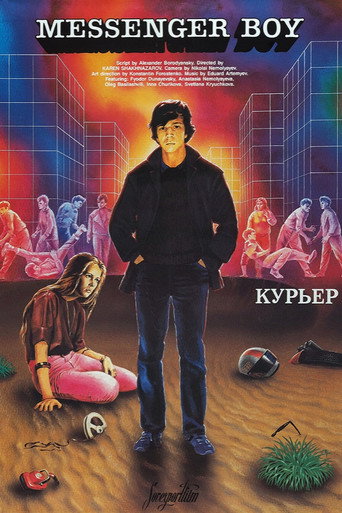
The dramas of the seventies and eighties include Byelorussian Station, in which four comrades from the same wartime unit meet again after twenty-five years, at a friend's funeral, and spend a day discovering what they have each become; it ends with a song that Russians know by heart. A French Lesson is a touching television film from a story by Valentin Rasputin, set in 1948: a clever, hungry village boy sent to school in town is helped by his young French teacher, who invents a game with coins so that he can win enough for milk. One Hundred Days After Childhood, which won the directing prize at Berlin, is a summer camp romance among fourteen-year-olds rehearsing a play. Messenger Boy, from 1986, follows an ironic school-leaver with a job at a magazine and caught the mood of a generation, and Please Accuse Klava K. of My Death is a tender, serious film about a boy's first love, far gentler than its title.
Soviet comedy
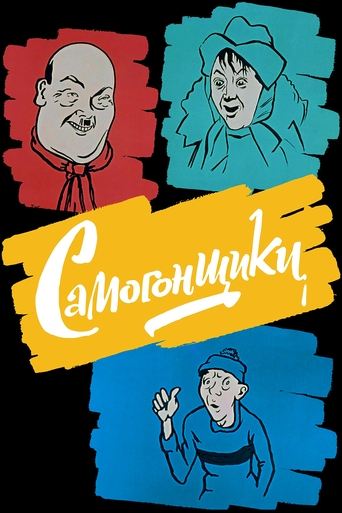
Forty-nine films date from the Soviet years, and the Soviet comedy guide introduces the funniest of them. Three directors dominated the form. Leonid Gaidai was the master of slapstick. His two short films of 1961, Dog Barbos and Unusual Cross and Bootleggers, introduced a trio of bumbling rogues known as the Coward, the Fool and the Old Hand, who became the most popular comic characters in the country; in the first, ten minutes long and almost wordless, they go fishing by unorthodox means and are pursued across the countryside by their own dog, which has fetched the wrong stick. Strictly Business films three stories by the American writer O. Henry, the last of which, about two men who carry off a small boy and soon wish they had left him alone, is a classic of children's television.
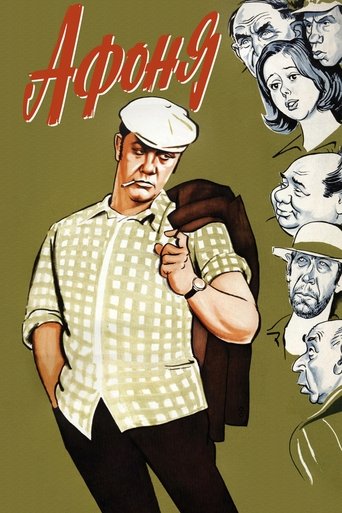
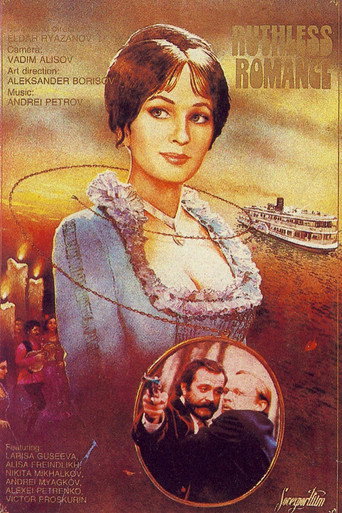
Eldar Ryazanov made comedies with a wistful streak. Besides The Irony of Fate, or Enjoy Your Bath! the catalogue holds Say a Word for the Poor Hussar, a costume comedy about a regiment of cavalry quartered in a provincial town and a company of actors, and Ruthless Romance, from 1984, his lavish version of a play by Ostrovsky: Larisa, the beautiful daughter of an impoverished widow in a town on the Volga, is courted by a dull clerk, two merchants and a dashing shipowner. It is filled with songs, steamers and gypsy choirs, and its ending is sad; it is a romance for adults. Georgiy Daneliya, the third of the three, followed Walking the Streets of Moscow with Afonya, the most popular film of 1975, about a feckless plumber who drifts from job to job until a young nurse decides, against all evidence, that he is worth saving.
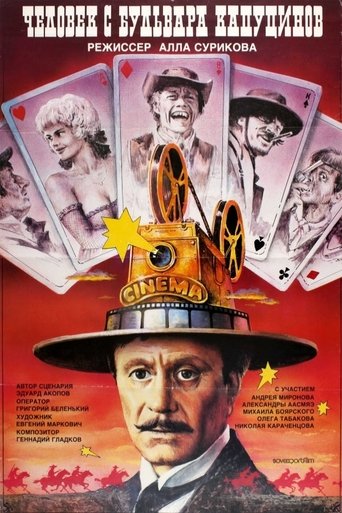
Many of the best-loved comedies were made for television and shown at New Year. Hello, I'm Your Aunt! is a wild version of the English farce Charley's Aunt, with Aleksandr Kalyagin in skirts as a rich widow from Brazil. The Straw Hat is a musical from the French vaudeville, starring Andrey Mironov, the most elegant comedian of his time. Mironov also leads Three Men in a Boat, from Jerome K. Jerome's novel, and his last film, A Man from the Boulevard des Capucines, a musical western in which a gentle stranger arrives in a frontier town with a film projector and finds that the cowboys, once they have seen a moving picture, give up fighting for good manners. Truffaldino from Bergamo is Goldoni's Servant of Two Masters with songs, The Dog in the Manger a Spanish comedy in verse, A Glass of Water a comedy of intrigue at the court of Queen Anne, and Heavenly Swallows a French operetta about a convent music master with a second life in the theatre.
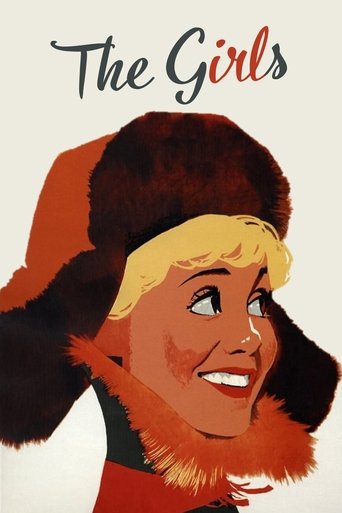
The Pokrovsky Gates, from 1982, is a nostalgic comedy set in a shared Moscow flat in the fifties, where a student lodging with his aunt observes his neighbours: a variety singer, a retired translator, his former wife and her new fiancé, who all still live side by side. Magicians is a New Year musical set in an institute of applied magic, where a jealous administrator bewitches a young sorceress on the eve of her wedding. Domestic Circumstances concerns two newlyweds, a mother-in-law and a shortage of rooms, and Take Care of the Women! a tugboat with an all-female crew. The Girls, from 1962, is one of the freshest: Tosya, a tiny, talkative cook of eighteen, arrives at a logging camp in the northern forest and announces that she is afraid of nobody; the handsomest lumberjack makes a wager that he can win her heart in a week. Striped Trip puts ten tigers and two lions aboard a cargo ship in the care of a ship's cook who has claimed to be a tamer.
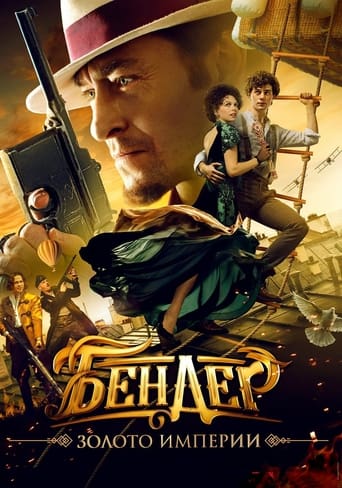
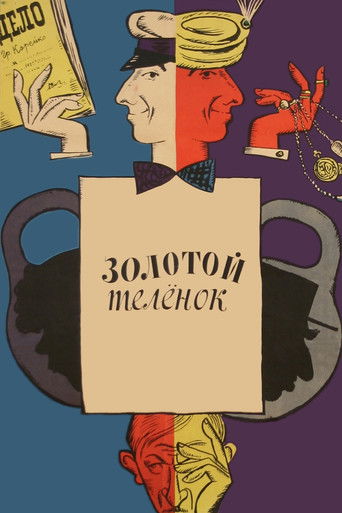
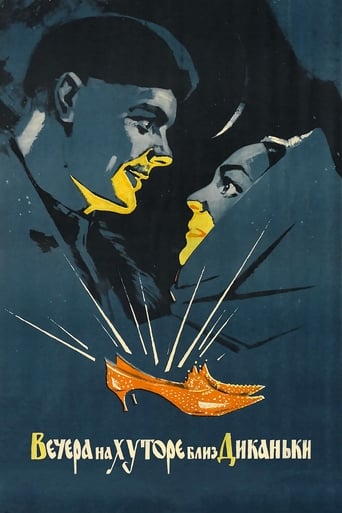
The Soviet cinema also filmed the classics with great care. The Golden Calf follows the adventures of Ostap Bender, the smooth-talking schemer of two famous comic novels, across the Russia of 1930 in a battered motor car. The Marriage of Balzaminov and Marriage are comedies of courtship from Ostrovsky and Gogol. Evenings on a Farm near Dikanka is Gogol's Christmas tale of a blacksmith who rides to the capital on a demon's back to fetch a pair of slippers for his sweetheart, made with the charming trick effects of the director Aleksandr Rou, and After the Rain, on Thursday and Shadow are fairy tales for the whole family. The Cutlass and The Bronze Bird are adventure serials for children about three friends and a mystery, and The Prisoner of If Castle is a three-part version of the story of the Count of Monte Cristo.
Russian films since 1991
The years after 1991 were hard for the film industry, yet they produced some remarkable work. Close to Eden, directed by Nikita Mikhalkov, won the Golden Lion at Venice. A herdsman, his wife, their three children and a grandmother live in a round felt tent on the Mongolian steppe. A Russian lorry driver, building a road nearby, falls asleep at the wheel and is rescued by the family, and a friendship grows between two men who share hardly a word of any language. The herdsman rides to town to buy a television, and the modern world arrives on the grassland. It is a film of wide skies and great warmth. Window to Paris, from 1993, is a comic fantasy: the tenants of a crowded flat in Saint Petersburg discover, behind a wardrobe, a window that opens onto a rooftop in the French capital, and begin to commute.
Russian Ark, made by Aleksandr Sokurov in 2002, is unique in the history of film: a single shot, ninety-six minutes long, in which the camera drifts through thirty-three rooms of the Hermitage museum, past two thousand costumed actors and three orchestras, through three hundred years of history, ending with the last great ball of 1913. It was filmed in one take on one winter afternoon. The same director's Mother and Son is a quiet, painterly film of seventy minutes about a man caring for his mother in a country house. What a Mess! is a breakneck farce about a set of long-lost brothers and an enormous diamond, Heads and Tails a late comedy by Daneliya, and Come Look at Me a New Year's story in which a stranger at the door is mistaken for a fiancé and decides to stay for dinner.
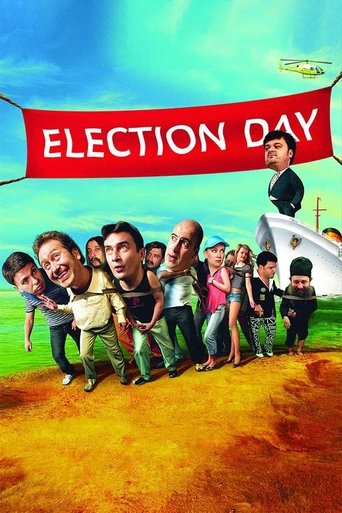
The Postman's White Nights, which won the Silver Lion at Venice in 2014, was made by Andrei Konchalovsky with the real inhabitants of a village on a northern lake, reachable only by the postman's motorboat. Wild Field follows a young doctor who treats herdsmen and travellers from a lonely house on the steppe, and The End of a Beautiful Epoch, in black and white, is drawn from the stories of the writer Sergei Dovlatov about his days as a reporter on a provincial newspaper. Test is told entirely in images, After You're Gone is a portrait of a great dancer facing the end of his career, and Elections Day is a satire by a popular Moscow comedy troupe, in which the staff of a radio station sail down the Volga to run a campaign.
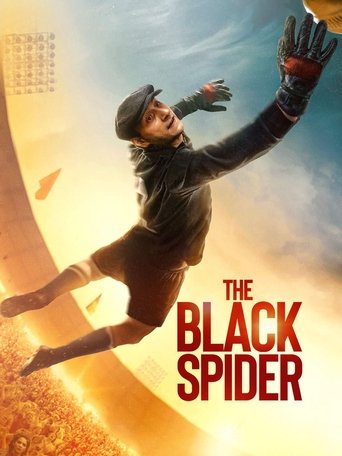
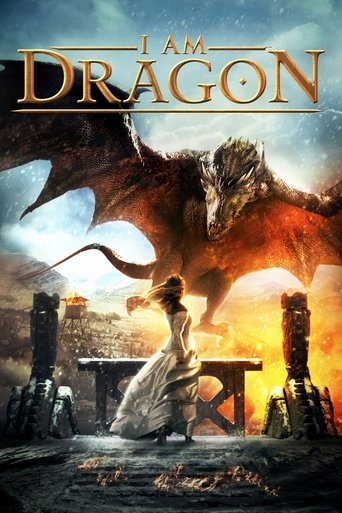
Popular cinema has revived strongly. Son of a Rich, the most successful Russian comedy of 2019, has a spoiled young man wake up, after a road accident, in what appears to be a village of 1860, where he is a stable boy; the village has been built and staffed by his father, with a psychologist directing events from a hidden control room. The Last Warrior and its two sequels send a young Muscovite into the world of Russian fairy tales, among witches in huts on chicken legs, immortal sorcerers and talking stoves. I Am Dragon is a romantic fantasy for teenagers. Fire is a drama about the airborne firefighters who protect the northern forests, Doctor Lisa a day in the life of a physician who cared for the homeless of Moscow, and Lev Yashin. The Dream Goalkeeper the life of the only goalkeeper to win the Ballon d'Or. Extraordinary, from 2024, is the moving story of a boy of eight, unable to walk or speak, and the man who refuses to accept that verdict. Guest from the Future retells a favourite children's story about a schoolboy who finds a time machine in a cellar, and Summer Time: Travel Back returns four modern children to a pioneer camp of 1988. Ghost, Coma, Cosmoball, Off the Rails, One Breath, The Kitchen: World Chef Battle, Hotel Belgrade and Onegin, a new film of Pushkin's novel in verse, complete the modern shelf.
Room II: films in Persian
Thirty-five films are in Persian, and the Persian guide sets them out. Iranian cinema is one of the wonders of the last half-century. Working with small budgets, real locations and, very often, people new to acting, its directors developed a style of great simplicity and depth, in which a small practical problem, a lost notebook, a broken bicycle, a missing key, opens onto large questions of right and wrong. Because many of the films are about children or seen through children's eyes, they are unusually well suited to family viewing.
The story begins with The Cow, made by Dariush Mehrjui in 1969. In a poor village, Masht Hassan owns the only cow, and he loves her as other men love their families. While he is away she dies, and the villagers, afraid of what the news will do to him, bury her and say she has wandered off. His response is stranger and sadder than anyone foresaw. The film was smuggled to the Venice festival and announced a new cinema. Bahram Beyzai's Downpour, from 1972, is livelier, the story of a bespectacled teacher who arrives in a poor quarter of Tehran with a cartload of furniture and falls in love with the sister of one of his pupils, to the fascination of the whole street. Still Life, which won the Silver Bear in 1974, observes an old railway crossing keeper and his wife through the unvarying days before his retirement, and The Brick and the Mirror follows a taxi driver through one Tehran night with an infant left on his back seat.
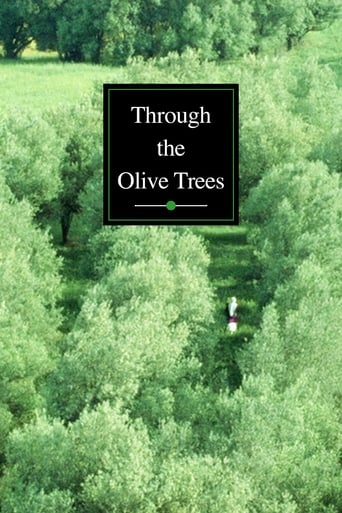
Abbas Kiarostami, the best known of all Iranian directors, is represented by five films. Experience and A Wedding Suit are early works of about an hour each, made for an institute devoted to young people: in the second, a tailor's apprentice is persuaded by two friends to lend out a customer's new suit for a single evening. Through the Olive Trees, from 1994, is a film about the making of a film in a village rebuilt after an earthquake. Hossein, a young bricklayer cast in a small part, is in love with the girl who plays his wife; her family has refused him, and between takes, as the director waits, he pleads his case to her silence. The last shot, held from a hilltop as two tiny figures cross a field, is among the most famous endings in cinema. The Wind Will Carry Us sends an impatient engineer from Tehran to a mountain village, where he must climb a hill each time his telephone rings, and 24 Frames, the director's last work, brings two dozen photographs gently to life.
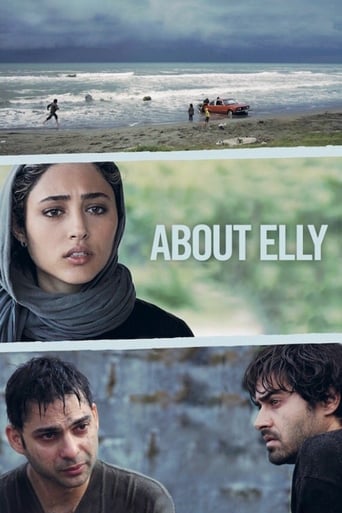
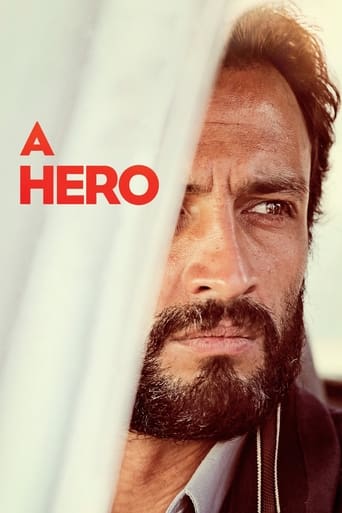
Asghar Farhadi makes films of another kind, tightly plotted dramas of family life in which every character has good reasons. A Separation, which won the Golden Bear at Berlin and the Academy Award for foreign language film, opens with a husband and wife before a judge. Simin wishes to emigrate for their daughter's sake; Nader refuses to leave his father, who is old and confused. She moves out, he hires a carer for the old man, and a small incident on a staircase sets two families against each other, each sure it is in the right. The film is as gripping as any thriller and far more truthful, and it is recommended for older teenagers and adults. About Elly gathers a group of friends at a villa on the Caspian shore for a weekend that changes when one of the party is suddenly missing, and A Hero, which won the Grand Prix at Cannes, follows a sign-painter on two days' leave from a debtors' gaol who returns a lost bag of gold coins and is briefly celebrated for it.
Jafar Panahi has gone on making films under great difficulty, with wit undimmed. In Taxi, which won the Golden Bear in 2015, he drives a cab round Tehran with a camera on the dashboard, picking up a seller of films, two elderly ladies with a goldfish bowl, and his own sharp-tongued niece, who is making a film for school and has been given a list of rules. In 3 Faces he travels with a well-known actress to a mountain village in search of a girl who dreams of drama school. His son Panah Panahi made Hit the Road, a road film about a family, a borrowed car, an ailing dog and a small boy with boundless energy, which is hilarious until one understands where they are going.
Majid Majidi's films are the most openly emotional. Baran is set on a building site in Tehran, where a quarrelsome young tea-boy loses his easy job to a silent newcomer from Afghanistan and then discovers the newcomer's secret. The Willow Tree concerns a blind professor who is given back his sight in middle age and must learn to live with what he sees, and Sun Children sends four boys who work in a garage to enrol at a charity school, from whose cellar a tunnel is said to lead to buried treasure. Other films worth seeking out are A Cube of Sugar, a joyous ensemble piece set in a rambling house during the two days before a wedding; What's the Time In Your World?, a tender story of a woman's return to her northern home town after twenty years in France; My Favourite Cake, about a widow of seventy who decides to invite a taxi driver to dinner; Mother, a much-loved family drama of 1990; and The Silence, by Mohsen Makhmalbaf, about a blind boy in Tajikistan who tunes instruments and follows beautiful sounds wherever they lead. Gholamreza Takhti is a life of the wrestler who became a national hero, and Leila's Brothers a long, powerful drama of a family and its debts.
Room III: films in Hebrew
Thirty-one films are in Hebrew, and the Hebrew guide lists them. Israeli film comedy was more or less invented by the humorist Ephraim Kishon, a Hungarian-born writer who turned to directing in the sixties. Sallah, from 1964, was the country's first international success and was nominated for an Academy Award. Sallah Shabati arrives with his wife and seven children and is housed in a transit camp of tin huts with a promise of a flat. He is shrewd, lazy, proud and entirely resistant to officialdom, and he sets about obtaining the flat by methods of his own, among them an attempt to arrange two marriages at once. Chaim Topol, later famous as Tevye, played the part at twenty-nine. The Big Dig begins when a man with a pneumatic drill starts tearing up a main street of Tel Aviv and the city departments, each assuming another has ordered the work, rush to assist him. The Policeman, which won a Golden Globe, is the gentlest of the three: Constable Azulai of Jaffa is too kind to arrest anyone, and when his superiors plan to retire him, the local rogues decide to stage a crime for him to solve.
The popular comedies of the seventies are represented by Festival At The Poolroom, a cult favourite about twin brothers, one devout and timid and the other a billiards hustler. Operation Grandma, fifty minutes long and made for television in 1999, is perhaps the most quoted comedy in the language: three brothers, an army officer, an electrician and a nature guide, must get their grandmother to her kibbutz for a funeral by noon. The House on Chelouche Street, nominated for an Academy Award in 1973, is a warm family chronicle set in the Tel Aviv of the forties.
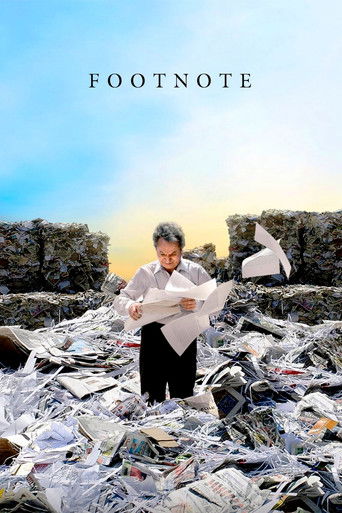
The best modern films share the tone of The Band's Visit: humane, funny and observant. In Noodle an air hostess finds herself looking after a small Chinese boy whose mother has been sent home, and with her sister sets out to reunite them. Footnote, which won the screenplay prize at Cannes, is a comedy about two scholars of ancient texts, father and son, the first a neglected perfectionist and the second a celebrated populariser, and a telephone call about a national prize that reaches the wrong one. Tel Aviv on Fire follows a young man with a minor job on a television soap opera who is stopped each day at a checkpoint, where the officer in charge, whose wife adores the show, begins to dictate the plot. The Women's Balcony, the most popular Israeli film of 2016, is set in a close-knit Jerusalem congregation whose women take matters into their own hands when a zealous young newcomer tries to change their ways.
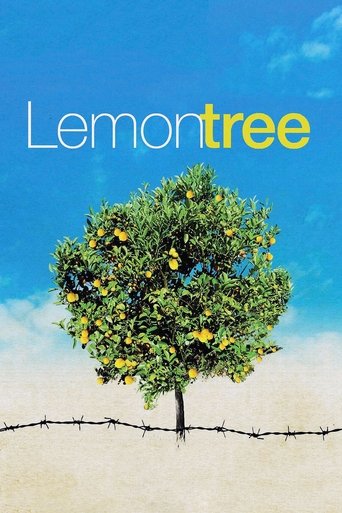
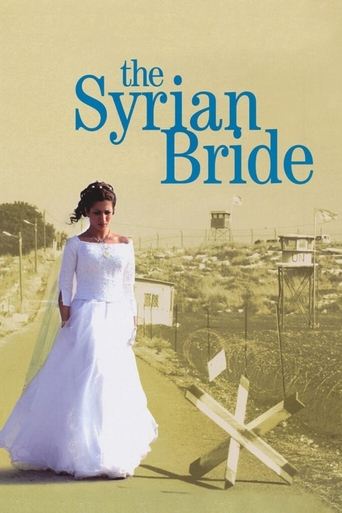
Jellyfish, which won the Caméra d'Or at Cannes, weaves together three stories of women in Tel Aviv, one of whom finds a silent little girl walking out of the sea. The Matchmaker is set in Haifa in the summer of 1968, where a schoolboy takes a holiday job with a man who finds partners for the lonely. The Human Resources Manager sends a harassed executive on an unexpected journey abroad, The Syrian Bride follows a wedding day in a village on a guarded frontier, and Lemon Tree tells of a widow and the lemon grove she refuses to give up; all three were directed by Eran Riklis and treat serious matters with tact. Family stories include Broken Wings, about a mother and four children in Haifa finding their balance again, Bonjour Monsieur Shlomi, about a sixteen-year-old who cooks and cares for his whole household and whose own gifts have gone unnoticed, and Baba Joon, about three generations on a turkey farm. For children there is Abulele, in which a ten-year-old befriends a large, shy creature that lives in his block of flats, and for teenagers The Raft and Saint Clara.
Room IV: films in Ukrainian
Fifteen films are in Ukrainian, and the Ukrainian guide presents them. The classic is Chasing Two Hares, made at the Kyiv studio in 1961 from a nineteenth-century stage comedy. Svyryd Holokhvosty is a barber with a waxed moustache, a taste for cards and French phrases, and a shop he has just lost to his creditors. He resolves to marry money, in the shape of the plain and haughty Pronya, daughter of a prosperous shopkeeper, while continuing to pursue the pretty Halya, who finds him ridiculous. The proverb of the title supplies the outcome. The film is quoted constantly in Ukraine, and statues of its two leading characters stand on a hill in the old city.
Shadows of Forgotten Ancestors, directed by Sergei Parajanov in 1965, is one of the most beautiful films ever made. Set among the Hutsul people of the Carpathian mountains, it tells of Ivan and Marichka, children of feuding families who grow up in love, and of what becomes of Ivan when she is lost. The story is as old as ballads; the telling is new, with a camera that whirls through forests and weddings, colours that change with the seasons of feeling, and a soundtrack of mountain horns and songs. It is a tragic tale and suits adults and older teenagers. A Spring for the Thirsty, by Parajanov's cameraman Yurii Illienko, is a stark, poetic film about an old man and a well.
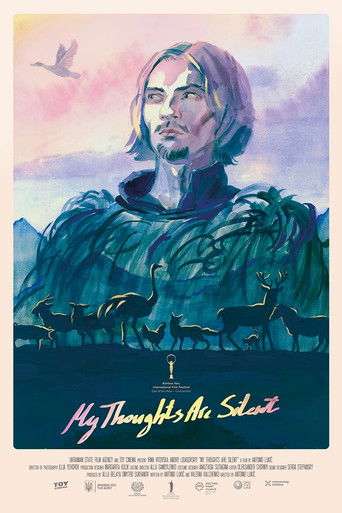
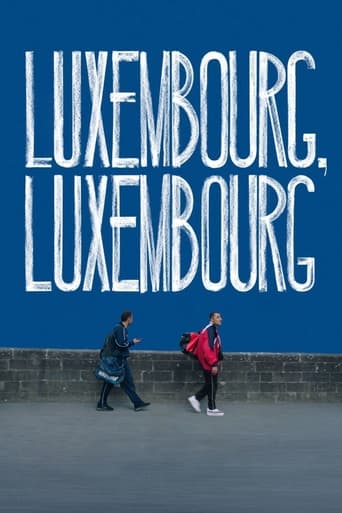
The new Ukrainian cinema is strongest in comedy with a melancholy edge, and its leading name is Antonio Lukich. In My Thoughts Are Silent, a lanky young sound recordist is offered a contract that could take him to Canada if he can record the call of a rare duck in the western mountains; his mother, a taxi driver with firm views, insists on driving him there. In Luxembourg, Luxembourg, twin brothers from a small town, one a bus driver and one a policeman, learn that the father who left when they were boys is in hospital in the Grand Duchy, and argue all the way across Europe about whether he deserves a visit. Both films are drily funny and very touching.
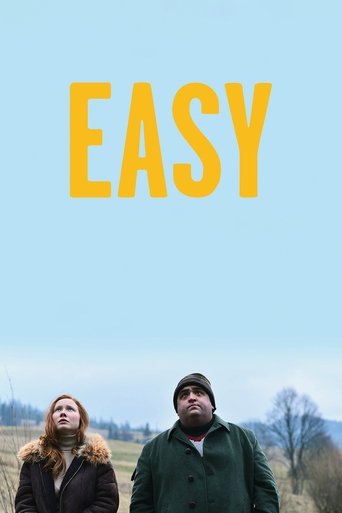
Lighter entertainments include December 31st Express, a New Year's comedy aboard a night train, The Homeowners' Dilemma, in which the residents of an apartment block hold a meeting about a shared generator, and DZIDZIO First Time, with a popular musical comedian. Hutsul Girl Ksenia is a musical set in a Carpathian resort in 1939, and Felix Austria a costume drama of 1900 about two women raised as sisters. Olga follows a fifteen-year-old gymnast training abroad, far from her mother, and Pulse a young athlete's return to the track after a serious accident. Easy is a road comedy about an Italian former racing driver delivering a strange cargo to a mountain village, Hero of My Time a satire of city life, and U Are the Universe a science fiction romance between the last two people in space.
Comedy in four languages
Eighty-four films are comedies, and the comedy guide sorts them. It is instructive to watch one from each room. The Russian tradition loves the stage: mistaken identity, disguise, a song at the piano. The Israeli tradition is satirical and aims at bureaucracy. Iranian comedy is quieter and often hides inside a serious film, as in the bickering of the family in Hit the Road or the passengers of Taxi. Ukrainian comedy, old and new, is fond of the road and of the proud, impractical hero. All four share a liking for the little man who outwits, or at least outlasts, the important one.
Family
Eighty-two films turn on family life, and the family guide gathers them. Fathers and sons meet in Footnote, Baba Joon and Luxembourg, Luxembourg; mothers and sons in My Thoughts Are Silent, Mother and Son and Sweet Mud, a sensitive drama set on a kibbutz in the seventies; husbands and wives in A Separation, Honeymood, a comedy that follows a bride and groom through the streets of Jerusalem on their wedding night after a quarrel over a gift, and Karaoke, about a quiet couple in their sixties whose new neighbour gives parties. Whole families fill A Cube of Sugar, Mother, Leila's Brothers and Domestic Circumstances.
Children and growing up
Seventy films concern the young, and the growing up guide divides them by age. For children there are the Soviet adventure serials and fairy tales, the Russian fantasies of recent years, Abulele, and the short comedies of Gaidai. Films about childhood, made with great seriousness, include A French Lesson, Harmonica, in which a boy on the Persian Gulf coast is given a mouth organ and becomes the most important child in the village, The Silence, Sun Children and Intimate Grammar. Stories of first love include One Hundred Days After Childhood, 14+, Messenger Boy and The Raft, and Dancing Arabs follows a gifted boy to a boarding school in another world from his own.
From page and stage
Twenty-three films are drawn from books and plays, and the page and stage guide lists them. The two Shakespeare films of Grigori Kozintsev stand at the head. His Hamlet, from 1964, with Innokenty Smoktunovsky as the prince and a score by Dmitri Shostakovich, was filmed in a real castle on the Baltic, all stone, sea and iron, and many critics rank it above every English-language version. His King Lear, from 1970, is harsher and just as fine. Dostoevsky is represented by White Nights, a story of four evenings and a lonely dreamer in Saint Petersburg, and Pushkin by Onegin. The comic novelists and playwrights, Gogol, Ostrovsky, and the pair who created Ostap Bender, supply half a dozen more, and the Soviet studios' affection for European comedy gave us Goldoni, Scribe, Labiche, Lope de Vega, Dumas and Jerome in Russian dress.
Fantasy and adventure
Thirty-one films are fantasies or adventures, and the fantasy guide arranges them. Russian cinema has a fairy-tale tradition a century old, and it runs from the hand-made wonders of Evenings on a Farm near Dikanka to the computer-built kingdoms of The Last Warrior. To Kill a Dragon, from a celebrated play, is a fable for adults about a town that has grown used to its dragon. Land of Legends is a historical epic of the Ural forests, and Ivan Vasilyevich Changes Everything a New Year's comedy that plays with one of the most famous Soviet films. From Israel come Abulele and Saint Clara, about a schoolgirl who can see the future, and from Ukraine U Are the Universe.
Music and the arts
Forty-three films concern the arts, and the arts guide covers them. Iranian directors have a particular fondness for films about film-making, and Through the Olive Trees, Taxi and 3 Faces are all, in part, about what a camera does to the people in front of it. Writers at a loss for words are the heroes of Hamoon and The Pear Tree, in which an author returns to the orchard of his youth and remembers the girl who filled one summer there. Musicians lead The Band's Visit and The Silence, a dancer After You're Gone, and cooks The Kitchen: World Chef Battle and Bonjour Monsieur Shlomi.
Recent films
Sixty-three films date from 2015 or later, and the recent films guide selects the strongest: Taxi, A Hero, Hit the Road and My Favourite Cake from Iran; Tel Aviv on Fire and Karaoke from Israel; My Thoughts Are Silent and Luxembourg, Luxembourg from Ukraine; and Son of a Rich, Doctor Lisa and Extraordinary in Russian.
Romance
Forty-five films are love stories. The Russian tradition is theatrical and musical: a guitar, a snowed-in flat, a declaration at the last possible moment, as in The Irony of Fate, or Enjoy Your Bath! and The Girls. White Nights is the purest of them, four nights on the embankments of Saint Petersburg in which a solitary young man listens to a girl who is waiting for someone else. Among modern films, 8 First Dates is a light comedy in which two strangers, each engaged to another, keep waking up in the same new flat however hard they try to part, and Couple From The Future sends a quarrelsome husband and wife back twenty years to the day of their engagement.
Iranian romance is a matter of glances and patience. Hossein's long walk behind Tahereh in Through the Olive Trees, the tea-boy's silent devotion in Baran, and the framed pictures and old love letters of What's the Time In Your World? say more than speeches could. My Favourite Cake proves that the subject is ageless. From Israel, Wedding Doll is the delicate story of a young woman who works in a paper factory, makes tiny brides from tissue, and dreams of a wedding of her own, and Honeymood begins where most romances end. From Ukraine, Hutsul Girl Ksenia sets its courtship to the songs of the thirties.
Sport
Nine films are about sport. Offside is the best football film ever made by people who were prevented from filming the match. Lev Yashin. The Dream Goalkeeper and Gholamreza Takhti are lives of two national heroes, a goalkeeper in black and a wrestler famous for his fairness. Olga and Pulse follow young Ukrainian women in gymnastics and athletics, One Breath a woman who takes up deep diving in middle age and becomes a champion, and The Raft three boys who decide to sail to a cup final. Cosmoball invents a sport for the year 2071.
Directors and actors to follow
A few names make good threads through the lists. In the Russian room, the three great comedy directors, Gaidai, Ryazanov and Daneliya, account for nine films between them, and the actor Andrey Mironov, quick, musical and debonair, appears in The Straw Hat, Three Men in a Boat, Heavenly Swallows and A Man from the Boulevard des Capucines. Oleg Yankovsky, the thoughtful leading man of the later Soviet years, is seen in To Kill a Dragon and Come Look at Me, which he also directed, and Georgiy Vitsin, the Coward of Gaidai's trio, turns up as the dreamy suitor of The Marriage of Balzaminov. Among today's actors, Konstantin Khabensky leads Fire and appears in Doctor Lisa, and the Serbian star Miloš Biković has become a favourite of Russian comedy in Son of a Rich and Hotel Belgrade.
In the Persian room, the four directors already named, Kiarostami, Farhadi, Panahi and Majidi, have fifteen films among them, and Dariush Mehrjui adds four more across four decades, from The Cow to The Pear Tree. The actress Leila Hatami appears in A Separation and What's the Time In Your World?, and Golshifteh Farahani, as a girl of fourteen, in The Pear Tree, and later in About Elly. In the Hebrew room, Eran Riklis and Avi Nesher are the leading directors of thoughtful popular cinema, Talya Lavie the brightest comic talent, and the actors Sasson Gabai and Lior Ashkenazi are seen at both ends of their range in The Band's Visit, Footnote and Karaoke. The late Ronit Elkabetz, unforgettable as the café owner of The Band's Visit, also wrote, directed and starred in Gett: The Trial of Viviane Amsalem, a courtroom drama of great intensity for adult viewers. In the Ukrainian room, Antonio Lukich is the name to remember.
Prizes
Readers who like to follow the festivals will find a good many winners here. From Berlin come the Golden Bears of A Separation and Taxi and the Silver Bears of Offside, About Elly, Still Life and One Hundred Days After Childhood. From Venice come the Golden Lion of Close to Eden and the Silver Lion of The Postman's White Nights, and from Cannes the Grand Prix of A Hero, the screenplay prizes of Footnote and 3 Faces, and the Caméra d'Or of Jellyfish. A Separation also won the Academy Award, and Sallah, The Policeman and The House on Chelouche Street were all nominated for it. Prizes are a rough guide at best, but these were well deserved.
Country and city
Two lists divide the catalogue by setting. Twenty-nine films belong to the country: the Carpathians of Shadows of Forgotten Ancestors and Hutsul Girl Ksenia, the Mongolian grassland of Close to Eden, the northern lake of The Postman's White Nights, the Kurdish hills of The Wind Will Carry Us, the kibbutz of Sweet Mud. Forty-six belong to the city. Moscow is seen at its most hopeful in Walking the Streets of Moscow and at its most crowded in The Pokrovsky Gates; Tehran appears through a windscreen in Taxi and from a building site in Baran; Tel Aviv is dug up in The Big Dig and wandered through in Jellyfish; and Kyiv gives Chasing Two Hares its hills, churches and promenades.
Short films and television
Six films last an hour or less and make a good start for anyone pressed for time: the two Gaidai shorts, Kiarostami's Experience and A Wedding Suit, Operation Grandma, and White Eye, a twenty-minute Israeli film, shot in a single take, about a man who finds his stolen bicycle chained up outside a factory; it was nominated for an Academy Award. Ten films were made for Soviet or Russian television, where the two-part comedy shown on a holiday evening was a much-loved institution.
Languages, subtitles and a note on choosing
Four languages and four alphabets are represented. Russian and Ukrainian are close relations, written in Cyrillic, and a speaker of one follows much of the other; Persian is written in a flowing script from right to left and is related, distantly, to the languages of Europe; Hebrew, also written from right to left, was revived as an everyday language little more than a century ago. A few films move between tongues, and several of the Persian-language titles were made among Afghan and Tajik communities. Services that carry the films abroad generally offer English subtitles from the language menu of the player. Film pages give the original title beside the English one, which helps when a service lists a film under its original name.
The comedies, fairy tales and children's films can be watched by all ages together. Many of the dramas are serious in subject and are better suited to teenagers and adults; they are named as such above and include A Separation, About Elly, The Cow, Shadows of Forgotten Ancestors, Ruthless Romance and Leila's Brothers. The films were made across sixty years and under very different conditions, and each speaks for its makers and its moment.
Search, lists and My List
The search field under the masthead answers as you type. The menu leads straight to the four language rooms, and the finding titles page describes all twenty-three lists and the A to Z. To keep a film for later, press Add to My List on its page; the red My List button opens your saved films, which are stored by the browser on your own device, and the My List page explains how to save the list to a file.
A season of eight evenings
For a first season, try two evenings in each room. In Russian: The Irony of Fate, or Enjoy Your Bath! and Walking the Streets of Moscow. In Persian: Offside and Through the Olive Trees, with A Separation for a third night when the children are in bed. In Hebrew: The Band's Visit and The Policeman. In Ukrainian: Chasing Two Hares and My Thoughts Are Silent. That is sixteen hours of cinema, four countries and sixty years, and the index of lists will suggest where to go next.
Questions and answers
Questions
What is Ciné-Bis-Art?
Ciné-Bis-Art is a guide to 176 films in Russian, Persian, Hebrew and Ukrainian from 1960 to 2026, each with its story, cast and a Watch now button to the official services that carry it.
Which film should I watch first?
Start with The Band's Visit, The Irony of Fate or Offside. They introduce the Israeli comedy of manners, the Soviet New Year classic and the Iranian comedy with a point.
Is the catalogue suitable for families?
Yes. Every summary was read by hand, and crime films, horror and adult dramas were left out. The comedies and fairy tales suit all ages, and the serious dramas are marked for older viewers in the guide.
How many films are there in each language?
Ninety-five in Russian, thirty-five in Persian, thirty-one in Hebrew and fifteen in Ukrainian.
Are the films subtitled?
They are spoken in their original languages, and most services offer English subtitles from the language menu on the player.
Are there films for children?
Yes. The Soviet fairy tales and adventure serials, The Last Warrior, Guest from the Future and Abulele are made for young viewers.
How does My List work?
Press Add to My List on any film page. The list is kept by the browser on this device, and the list page can write it to a file.
Does Ciné-Bis-Art host films or downloads?
Ciné-Bis-Art is a guide only. Every Watch now button opens JustWatch, which lists the official streaming, rental and purchase services for your country.
